Connected Thread exists to defend the freedom and dignity of people pushed to the margins.

Because none of us are free until all of us are free.

We see how human rights are interwoven across race, gender, sexuality, class and borders.

From Palestinians living under military rule to queer organizers in criminalized states, we work directly with communities targeted by racism, patriarchy and authoritarian power. We step in when legal protection fails and when speaking out becomes dangerous.

Who We Are

Justice woven together

Connected Thread is a California-based human rights organization.

We do direct legal and organizing work with communities pushed to the edge of safety and visibility. Our staff work alongside people defending their rights in real time. We focus on supporting moments where the pressure is highest, and the consequences are severe. We are an operating organization, not a funding body. The work described here is carried out by our team in partnership with the people affected.

Why Connected Thread exists

Connected Thread came together in a moment when the protections that many people assumed were secure began to crumble in plain sight.

At the US–Mexico border, asylum seekers were turned away or stranded by new rules. On US campuses, students and faculty who protested Israel’s genocide in Gaza found their speech recast as misconduct and their organizing met with suspensions or bans. Across the United States, the overturning of Roe v. Wade stripped federal protection from abortion rights and forced millions of women to navigate a patchwork of bans and criminal penalties.

Connected Thread was created in California by lawyers and activists already responding in each space. Connected Thread formed as a lean organization to support the work already happening on the ground, but with an intentional focus on what was missing: legal defense, basic infrastructure for organizing, concrete safety planning and support for people to tell their story on their own terms.

What Connected Thread does

Connected Thread carries out frontline human rights work: legal defense, community organizing, safety planning, and storytelling led by people at risk.

Connected Thread works directly with asylum seekers and undocumented people. Our team helps people understand their legal position and prepares for proceedings. We work inside shelters and community spaces where decisions are made under pressure.

Our current focus: US–Mexico border communities such as Tijuana, Ciudad Juárez, Brownsville and El Paso, and undocumented people held in or at risk of transfer to ICE detention centers inside the United States.

Connected Thread works with women and gender-nonconforming people organizing under threat. We work directly with women facing surveillance or pressure and help them sustain the spaces where collective work happens.

Our current focus: The United States after Roe v. Wade, and women facing repression in Iran, Afghanistan, and Pakistan.

Indigenous communities continue to face criminalization for defending land and water. Connected Thread works alongside Indigenous organizers and legal advocates. Our work supports defense efforts and public accountability around extraction and militarization.

Our current focus: Indigenous communities in the United States, Canada, and southern Mexico.

People who protest or report abuse are often punished to deter others. Connected Thread provides legal defense for journalists and activists, strengthens campus and community organizing infrastructure, and helps groups plan for their safety when retaliation is likely.

Our current focus: United States

We work with partners who document serious abuses and pursue accountability through courts and human rights mechanisms. Connected Thread supports and coordinates evidence gathering in conflict affected and occupied regions and connects local organizations with lawyers and advocates who can carry those cases forward when opportunities arise.

Our current focus: Israeli-occupied Palestine and Sudan.

LGBTQ+ people are targeted through criminal codes, public “morality” campaigns and exclusion from basic services and face heightened danger when they cross borders or organize in public. Connected Thread helps LGBTQ+ groups and individuals access safety, legal support and organizing space.

Our current focus: Uganda, Tunisia, and the United States.

Our framework: Collective Liberation

Systems that restrict borders, police bodies, silence dissent, and protect perpetrators are connected. Connected Thread approaches these pressures as part of the same structure of control. Progress in one area creates space in others.

Collective liberation is not a slogan; it is a practical recognition that no community can secure lasting rights if others remain targeted and unprotected.

On the ground

The stories below show how our direct intervention works. Each case traces the same thread: people pushed to the edge of safety and Connected Thread stepping in with legal defense, organizing support, safety planning and a space to tell the story on their own terms.

Asylum seekers at the US–Mexico border

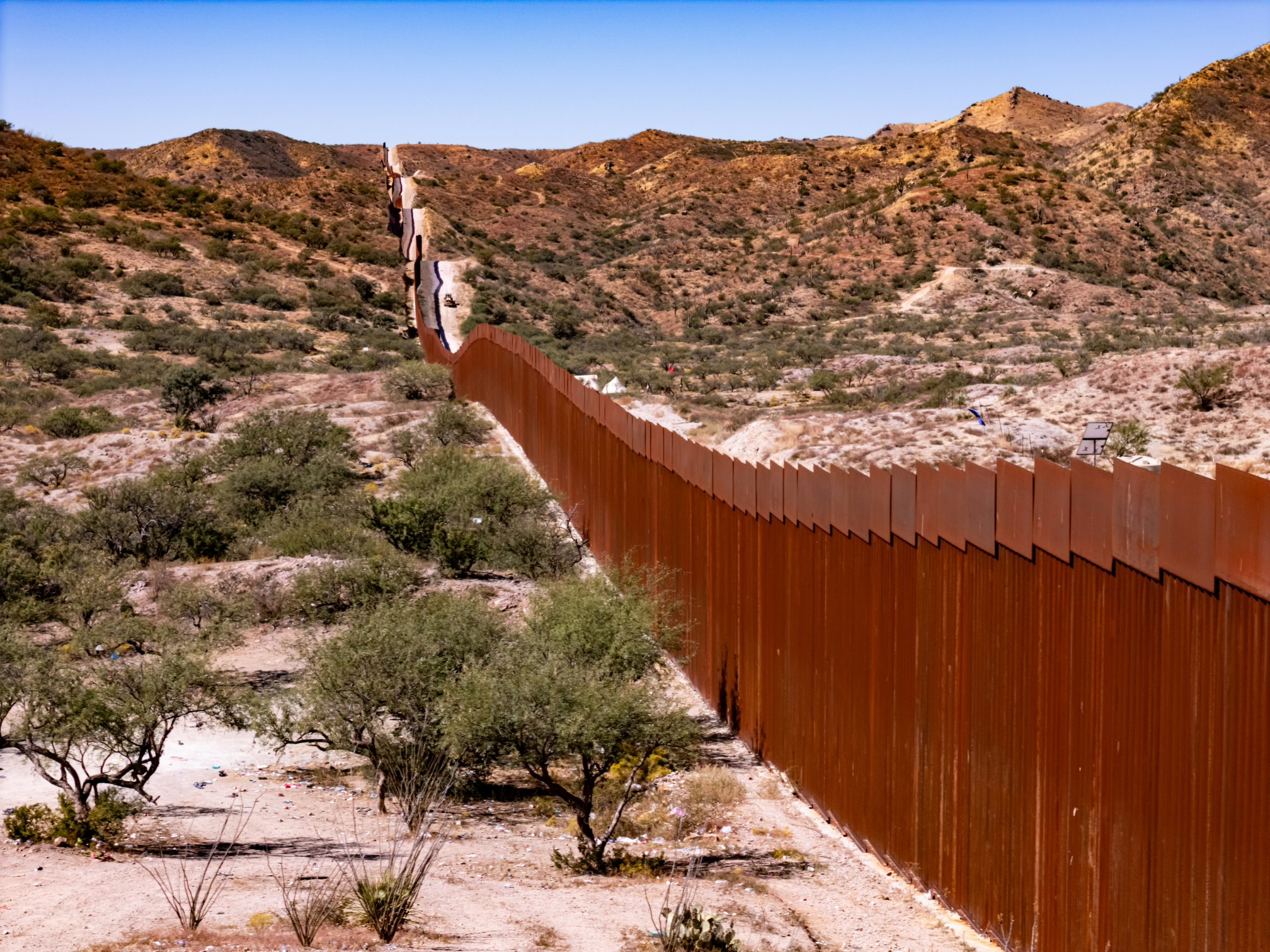
Border cities such as Tijuana, Ciudad Juárez and Brownsville became waiting rooms for asylum seekers told to stay outside the United States while they tried to secure an appointment or hearing. Metering policies shut many people out, leaving families in shelters and informal camps exposed to violence and exploitation.

Local shelters and legal workers were already doing the hard work of tracking missing people and helping families navigate complex forms, but they were operating with almost no resources while the rules changed every day.
Our response

We built and coordinated a binational partnership linking legal clinics and community organizers in Tijuana, El Paso and the Rio Grande Valley. The work strengthened legal defense clinics that helped asylum seekers build cases, alongside organizing efforts inside shelters where people could share information and plan together. Our programs also included safety planning and emergency stipends for those at highest risk, such as women traveling alone with children, while teams documented turn backs and unsafe returns for use in future advocacy.

What changed

More people arrived at appointments with prepared testimony and evidence, and more understood the risks of signing documents they could not read. The documentation produced by shelter and legal workers now forms part of strategic cases challenging metering and wrongful expulsions and has informed reports to international human rights bodies about the right to seek asylum at the US–Mexico border.

Campus activism and free expression crackdowns in the US

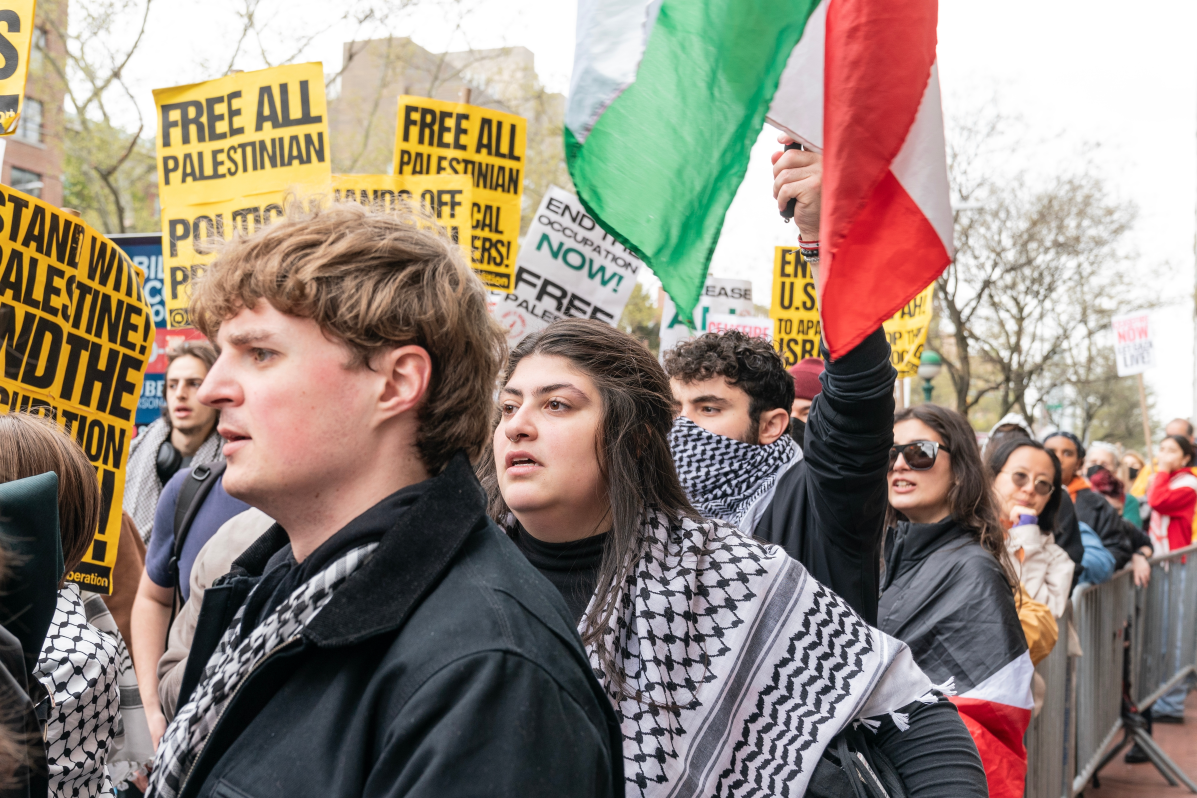
Beginning in 2023, students and staff at universities across the United States organized sustained protest encampments about war and university investments. In response, administrations introduced restrictive protest rules and opened disciplinary cases against organizers, sometimes calling in police to break up demonstrations.

On many campuses, students and faculty started informal support groups and began searching for pro bono lawyers. These efforts were often scattered, leaving those most at risk, such as international students and students of color to face proceedings without independent advice.
Our response

We supported and staffed a network of campus-based and community legal projects on Northern and Southern California college campuses. Our team helped set up legal defense support for people facing sanctions and ran "know your rights" sessions to prepare organizers for meetings with administrators and police. We also supported safety planning for those facing doxxing, while partners documented cases across different universities to spot patterns and coordinate responses.

What changed

People facing investigations had access to counsel rather than navigating the process alone, and organized pushback forced some universities to revise or slow down new restrictions. The network also connected campus movements with off campus groups working on refugee justice and other rights struggles, reinforcing the understanding that attacks on protest in one space threaten everyone.

Indigenous land and water defense at pipeline sites

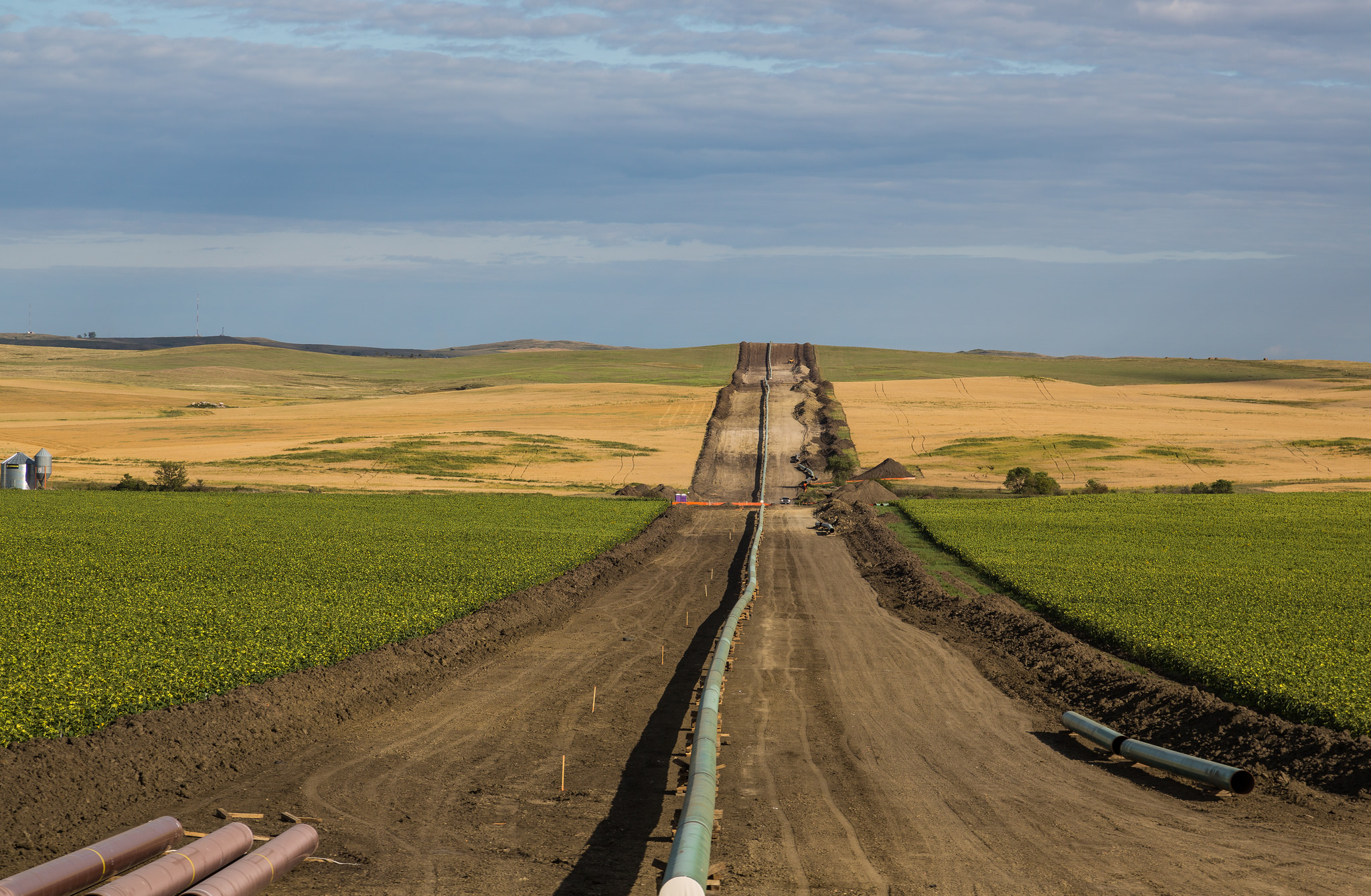
Indigenous nations in the United States continue to challenge pipelines that threaten rivers, sacred sites and treaty rights, including ongoing battles related to the Dakota Access Pipeline. Authorities have responded with aggressive surveillance and mass arrests, often using new critical infrastructure laws to turn peaceful protest near pipelines into a felony.

Those who were organizing camps and legal defense committees were juggling court dates and family care. Many community leaders tried to maintain local governance and direct actions simultaneously, often with very little outside funding.
Our response

We worked alongside Indigenous-led organizations and allied legal teams working along key pipeline routes. Grants focused on legal defense for those facing charges. Support also covered safety planning for leaders under threat and backed Indigenous led media projects that told the real story.

What changed

Land and water defenders were able to fight charges with proper legal counsel, helping avoid some of the harshest penalties while mounting broader challenges to repressive laws. Indigenous organizers reached wider audiences with their own framing of treaty rights and climate justice, shaping how courts and the public understood the conflict and reinforcing the link between sovereignty and the right to protest.


Part of a larger network

Connected Thread is part of a wider ecosystem of human rights organizations and movement partners.

Our work is informed by close collaboration with groups that have spent years supporting migrant rights, gender justice and international accountability. Our programs are sustained through grants and individual donations.